I have watched the mist rise from Dal Lake for more years than I can count. I’ve felt the first winter snow dust the deodar pines of Gulmarg and witnessed the saffron fields of Pampore blush into purple at dawn. To write about Kashmir’s nature is not merely to describe a landscape; it is to attempt to capture a feeling—a profound, quiet dialogue between the land and the soul. This is not a generic guide, but an invitation, penned from a lifetime of lived experience, to understand the valley as we who call it home do: as a living, breathing, and eternally changing masterpiece.
Why Kashmir’s Nature Feels Different
There are beautiful places worldwide, but Kashmir possesses a peculiar, almost palpable magic. It’s in the quality of the light, golden and soft as it filters through the Chinars. It’s in the symphony of sounds—the distant call of a farmer across the rice paddies, the gentle lap of a shikara paddle, the absolute silence of a snow-blanketed meadow. This difference lies in scale and intimacy. Majestic, snow-capped peaks of the Pir Panjal cradle valleys so fertile and detailed that every glance reveals a new vignette: a wooden bridge over a gushing stream, a wild iris peeking through a mossy stone wall, the intricate pattern of a willow branch against a glacial lake. Here, nature isn’t a spectacle you observe from a distance; it’s an environment you step into, a presence you feel.
Kashmir by Seasons: The Valley’s Eternal Rhythm
To know Kashmir is to respect its seasons. Each one transforms the valley utterly, offering a distinct personality and palette. Any well-crafted holiday packages for Kashmir will consider which of these faces you hope to meet.
Spring (March – May): The Blossoming
Spring in Kashmir is a crescendo of color and fragrance. It begins tentatively, with almond blossoms in March, a delicate pink and white promise against the still-bare trees. By April, the valley erupts. The Mughal Gardens become living Persian carpets, with terraces of tulips, narcissi, and hyacinths in ordered, breathtaking riots. Orchards of apple and cherry burst into frothy white and pink blooms, their scent carried on the warm breeze. This is the season of renewal, when the pine forests hum with life and the meadows begin their journey from emerald green to wildflower-strewn wonderlands.
Summer (June – August): The Verdant Escape
As the plains simmer, Kashmir ascends into its most luxuriant self. The heat is a gentle warmth, perfect for exploration. The rivers—the Lidder, the Sindh—run full and clear, their music a constant backdrop. This is the ideal time for tours in Kashmir that involve trekking in Pahalgam, pony rides in Sonamarg, or simply idling by a lakeside. The light is brilliant, the skies a profound blue, and the shades of green—from the dark jade of the firs to the bright lime of the rice fields—are infinite. It’s a season of abundance and vibrant energy.
Autumn (September – November): The Golden Flame
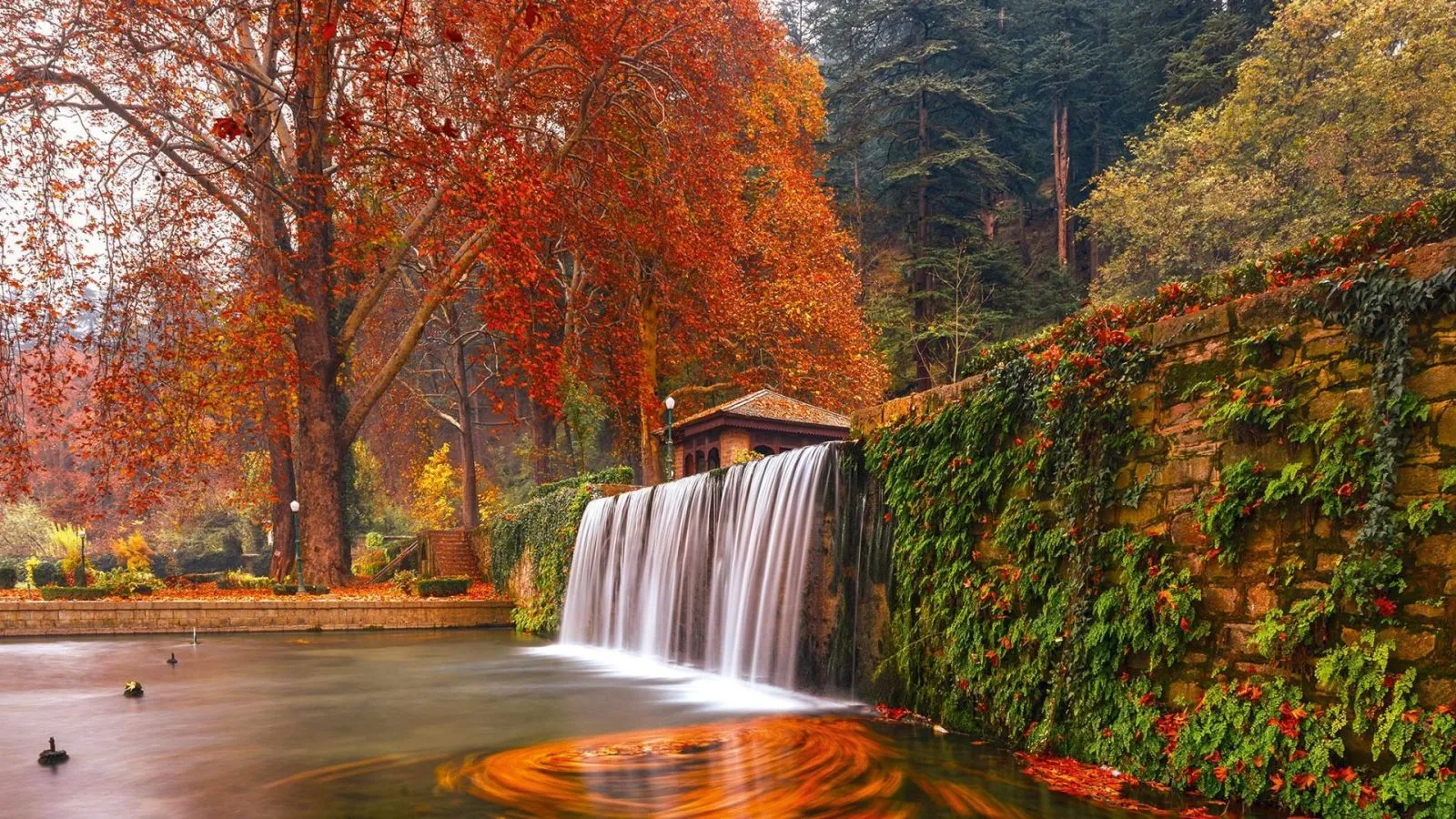
If I had to choose a season that defines Kashmir’s soulful beauty, it would be autumn. The transformation is slow, dramatic, and heartbreakingly beautiful. The giant Chinar trees, guardians of the valley, turn from green to a spectacular spectrum of crimson, amber, and gold. The poplars stand like sentinels of burnished yellow. The light slants low, casting long shadows and a honeyed glow over the saffron fields during the late-October harvest. This season has a reflective, poetic quality. The air is crisp, the crowds have thinned, and nature stages its most magnificent farewell before winter’s sleep.
Winter (December – February): The Silent Sublime
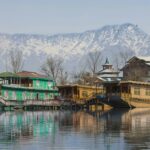
Winter is Kashmir’s most transformative season. The world hushes under a thick blanket of snow. Gulmarg becomes a world-class alpine wonderland, but the magic is everywhere. Dal Lake rarely freezes solid, but the shikaras wear frosty crowns, and the houseboats are cozy, smoke-scented havens. The Zabarwan range stands stark and dramatic against pale skies. This season is for those seeking serenity, the crunch of snow underfoot, and the unique coziness of a hamam (traditional heated floor) after a day in the crystalline cold. It’s a stark, minimalist, and profoundly beautiful chapter in the valley’s year. To truly understand this quiet majesty, consider exploring our thoughtfully curated Kashmir travel packages designed for the winter enchantment.
Lakes, Rivers, and Meadows: The Valley’s Lifeblood
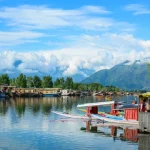
Kashmir’s water is its life and its mirror. Dal Lake is the iconic heart, but to call it a mere lake is to misunderstand it. It’s a floating world of houseboats, vibrant vegetable gardens, and serene channels where daily life unfolds with a gentle rhythm. A shikara ride at dawn, when the water is still and the Himalayas are reflected perfectly, is a rite of passage.
Beyond Dal, the rivers write the valley’s story. The Lidder in Pahalgam is a lively, trout-filled companion for walks along its pebbled banks. The Sindh River, flowing through Sonamarg (“Meadow of Gold”), is a turquoise ribbon through alpine pastures. These waters feed the valley’s soul and its famed meadows. From the flower-carpeted slopes of Thajiwas Glacier to the vast, rolling greens of Baisaran, these are places where time seems to slow, inviting you to simply sit and breathe in the pure, pine-scented air.
Valleys and Viewpoints: Where the Earth Reaches for the Sky
While the main valley is stunning, its tributaries lead to realms of specific grandeur.
Gulmarg is not just a ski destination. In summer, the same slopes become endless meadows for walking and wildflowers, accessible by one of the world’s highest gondolas. The view from the top, over a sea of peaks, is humbling.
Pahalgam is the quintessential Himalayan valley. The Lidder River winds through it, flanked by towering pines and cliffs. It’s a base for pilgrimages and treks, but also for profound stillness. A walk to Betaab Valley or Aru is a journey into a postcard of pastoral bliss.
Sonamarg, true to its name, is a golden basin of glaciated streams and raw, high-altitude beauty. It’s the gateway to the high Himalayas and a place that feels thrillingly close to the roof of the world. Each of these spots offers a different facet of Kashmir’s mountainous personality, best understood with local guidance like that found on our Kashmir tour Packages page.
Nature + Culture: An Inseparable Bond
In Kashmir, culture is not separate from nature; it is a direct response to it. This symbiosis is everywhere. The Mughal Gardens—Shalimar, Nishat, Chashme Shahi—are not just flowerbeds but profound philosophical statements, designed as terrestrial representations of paradise, with water channels symbolizing the rivers of life.
Local crafts tell this story. The intricate patterns of Pashmina shawls mimic the symmetry of a chinar leaf or a almond blossom. The woodwork on houseboats and temples is carved from the valley’s own cedar. The Noon Chai (pink tea) gets its color from the unique baking of local tea leaves and a pinch of salt, a warming ritual born of the climate. Even the rhythm of life—the early mornings, the afternoon lulls, the preparation for winter—is dictated by the sun and the seasons. To experience one is to understand the other.
Who This Trip Is Best For
Kashmir’s nature offers a different gift to each traveler.
- Couples & Honeymooners: The inherent romance of shikara rides, garden strolls, and cozy houseboat stays is timeless. For those crafting a special journey, our Kashmir honeymoon packages are designed to capture this intimate magic.
- Families: The valley offers safe, gentle adventures—pony rides, easy meadow picnics, and interactive experiences like floating market visits—that delight all ages.
- Seniors & Peace-Seekers: The pace can be wonderfully slow. A stay on a houseboat, leisurely garden visits, and the tranquil scenery offer deep relaxation and reflection.
- Photographers & Artists: Every season is a new canvas, from spring blossoms to autumn gold and winter white. The play of light and landscape is endlessly inspiring.
- Adventure Enthusiasts: Beyond the calm, trekking, skiing, and river rafting offer thrilling encounters with the raw Himalayas.
How to Plan Responsibly
To love Kashmir is to travel through it thoughtfully. The beauty we cherish is fragile.
- Beat the Crowds: Consider shoulder seasons (late spring, early autumn). Explore beyond the iconic spots; the valley is full of lesser-known gems.
- Ethical Etiquette: Dress modestly, especially outside tourist centers. Always ask permission before photographing people. Support local artisans by buying directly from government emporiums or reputable stores.
- Weather Wisdom: Layers are your best friend. Even in summer, evenings are cool. Winters require serious thermal gear. Be prepared for plans to shift slightly with weather, especially in winter or during spring rains.
- Sustainable Steps: Carry a reusable water bottle. Avoid littering meticulously. Choose operators, like ours at Kashmir Tour Travel, who respect local ecosystems and contribute to the community.
Your Journey Awaits
Kashmir is not a destination to be checked off a list. It is a place to be felt, a series of moments—the chill of glacial water on your hands, the scent of rain on dry earth, the awe of a mountain vista appearing through the mist. It changes you, subtly, as all truly profound places do.
If these words have painted a picture that calls to you, I invite you to look deeper. View Kashmir packages that move beyond the itinerary to capture the essence of the valley. Let us help you craft this Kashmir itinerary, one that aligns with the season of your visit and the desires of your heart. Begin your planning at our home, Kashmir Tour Travel.
Disclaimer: Please note that seasonal experiences, from flower blooms to snowfall and river levels, vary naturally based on weather and local conditions. This inherent unpredictability is part of the valley’s authentic character.
Quick FAQ
1. What is the best time to visit Kashmir?
Each season has its magic. For trekking and lush landscapes, June-September. For spring blossoms, April-May. For stunning autumn colors, October-November. For snow and skiing, December-February.
2. Are Kashmir travel packages suitable for families with young children?
Absolutely. The pace can be gentle, with activities like shikara rides, pony treks, and garden visits being very child-friendly. Houseboats are a particular adventure for kids.
3. How many days are ideal for a first-time visit?
A minimum of 5-7 nights allows you to experience Srinagar (Dal Lake, Mughal Gardens) and two major valleys like Pahalgam and Gulmarg without feeling rushed.
4. Is it safe to travel to Kashmir?
The Kashmir valley welcomes tourists warmly. It is always advised to check current travel advisories from your government and to travel with a reputable local operator who understands the local context.
5. What should I pack for a trip to Kashmir?
Regardless of season, pack layers. Include a warm jacket, comfortable walking shoes, sunscreen, sunglasses, and a hat. In winter, heavy woolens, thermals, and waterproof boots are essential.
6. Can I customize a standard tour package?
Yes, any reputable operator will allow customization. Whether you want more photography time, specific hikes, or a focus on cultural immersion, a good itinerary can be tailored to your interests.